


-

Add: HeBei ShengShi HongBang Cellulose Technology CO.,LTD.
-

Email
13180486930@163.com -

CONTACT US
+86 13180486930
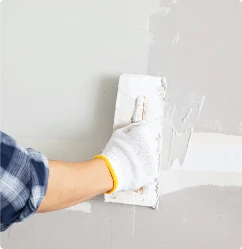
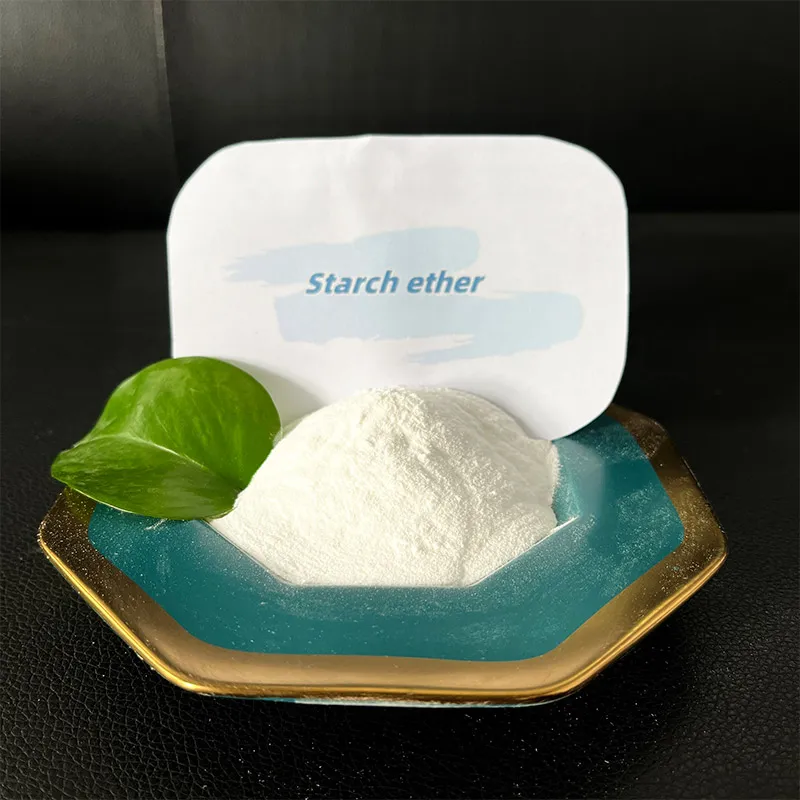

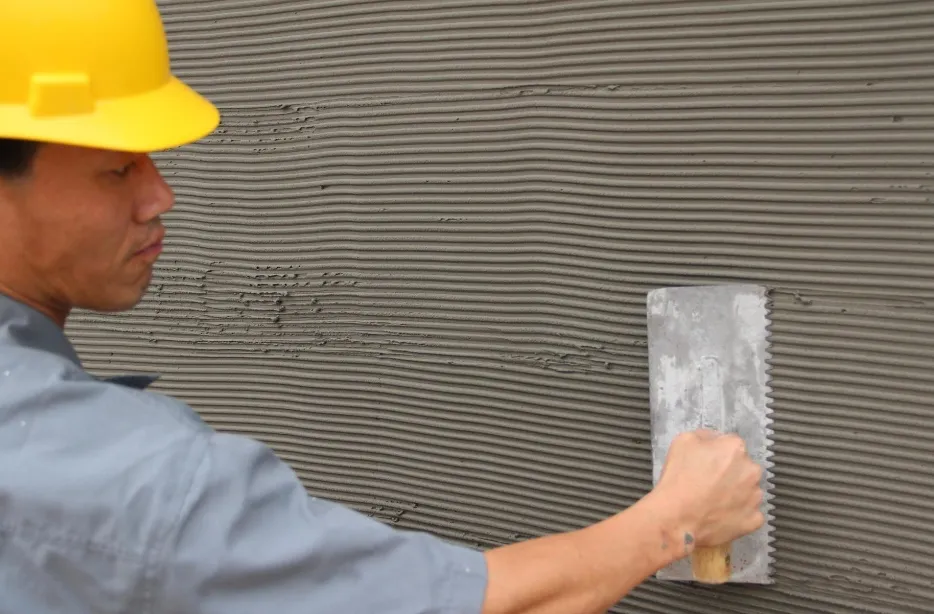


Thin-bed mortars are a cornerstone of modern construction, valued for their precision in tile installation, plastering, and bonding. At the heart of their performance lies polymer powder , a transformative additive that enhances adhesion, flexibility, and durability. Alongside redispersible polymer powder and redispersible powder variants, it elevates mortar quality, making thin-bed applications more reliable and long-lasting. Hebei ShengShi HongBang Cellulose Technology CO.,LTD, a professional manufacturer with over 20 years of experience, located in Hebei Province Xinji provincial clean chemical Industry Park with excellent transportation links, extends its expertise beyond HPMC to include high-quality polymer additives. Their advanced German production processes and daily capacity of 80–100 tons make them a trusted partner for wholesalers seeking top-tier construction materials. This article explores how polymer powder functions in thin-bed mortars, highlighting its key roles and benefits. Types of Redispersible Polymer Powder for Thin-Bed Mortars Polymer Powder: Polymer powder is a generic term for powdered polymers that dissolve or disperse in water, forming a film when dried. In thin-bed mortars, it acts as a binder, improving cohesion between cement, aggregates, and substrates. Wholesalers can note that its versatility makes it suitable for a range of mortar types, from tile adhesives to repair mortars. Redispersible Polymer Powder: Redispersible polymer powder is a specialized variant that, when mixed with water, re-disperses into a stable emulsion. This unique property ensures uniform distribution throughout the mortar, enhancing its overall performance. It is particularly effective in thin-bed applications where even coverage and strong adhesion are critical. Hebei ShengShi HongBang’s redispersible polymer powder is engineered for consistent results, meeting the demands of high-precision construction. Redispersible Powder: Redispersible powder (a broader term encompassing redispersible polymers) offers tailored benefits, such as enhanced water resistance or flexibility. These variants are ideal for thin-bed mortars used in humid environments, like bathrooms, or areas prone to slight movement, such as kitchens. Their adaptability makes them a valuable addition to any wholesaler’s product lineup. Enhancing Adhesion with Redispersible Polymer Powder Film-Forming Binder: Redispersible polymer powder forms a continuous polymer film within the mortar as water evaporates. This film bridges gaps between mortar particles and the substrate (e.g., tiles, concrete), creating a strong mechanical bond. In thin-bed mortars, where contact area is limited, this enhanced adhesion prevents tile slippage and ensures long-term stability. Improved Bond to Diverse Surfaces: Thin-bed mortars often need to adhere to challenging substrates like glass, metal, or painted surfaces. Polymer powder modifies the mortar’s surface tension, allowing it to wet and bond to these materials effectively. This versatility reduces the need for specialized primers, simplifying installation and lowering costs—an advantage wholesalers can emphasize to clients. Resistance to Water and Moisture: Redispersible powder enhances the mortar’s water resistance by forming a hydrophobic film. This is crucial in thin-bed applications in wet areas, such as showers or swimming pools, where moisture penetration could weaken the bond. The polymer barrier prevents water from breaking down the mortar structure, extending its lifespan. Performance Benefits of Polymer Powder in Thin-Bed Mortars Performance Aspect Mortar with Polymer Powder Standard Mortar (Without Polymer Powder) Advantage for Construction Flexibility High; withstands minor substrate movement Rigid; prone to cracking under stress Reduces tile or plaster damage from structural shifts. Adhesion Strength Excellent bond to diverse substrates Limited adhesion to non-porous surfaces Ensures long-term stability in tile and stone installations. Water Resistance Resistant to moisture penetration Susceptible to water damage Ideal for wet areas like bathrooms, kitchens, and swimming pools. Workability Smooth, easy to spread with minimal sagging May be stiff or runny Improves installer efficiency and reduces material waste. This table helps wholesalers clearly demonstrate how polymer powder elevates thin-bed mortar performance, making it a must-have additive for quality-focused clients. Key Functions of Redispersible Powder in Thin-Bed Mortars Reducing Shrinkage: Thin-bed mortars are prone to shrinkage as they dry, which can cause cracks or debonding. Redispersible powder minimizes shrinkage by increasing the mortar’s flexibility, allowing it to contract slightly without losing integrity. This is especially important in large-area installations, where uniform drying is challenging. Enhancing Cohesion: Polymer powder improves the mortar’s cohesion, preventing segregation of cement and aggregates. This ensures a smooth, homogeneous mix that spreads evenly, reducing the risk of voids or weak spots in the thin bed. Enhanced cohesion also makes the mortar easier to handle, reducing installer fatigue. Boosting Durability: Mortars containing redispersible polymer powder are more resistant to abrasion, impact, and chemical exposure. This durability extends the lifespan of thin-bed applications, reducing the need for repairs or replacements. It is particularly valuable in high-traffic areas, such as commercial lobbies or retail spaces. Polymer Powder FAQS What Dosage of Redispersible Polymer Powder Is Ideal for Thin-Bed Mortars? Typically, redispersible polymer powder is used at 3–8% by weight of cement in thin-bed mortars. Lower dosages (3–5%) improve basic adhesion, while higher dosages (6–8%) enhance flexibility and water resistance. Hebei ShengShi HongBang’s technical team can recommend precise dosages based on specific mortar formulations and project needs. Is Polymer Powder Compatible with Other Mortar Additives? Yes, polymer powder works well with common additives like cellulose ethers, plasticizers, and retarders. It complements these materials, enhancing overall mortar performance without adverse reactions. This compatibility simplifies formulation for wholesalers and ensures versatility across applications. Can Redispersible Powder Improve Mortar Workability in Cold Weather? Absolutely. Redispersible powder lowers the mortar’s water demand and improves its flowability, even in cold temperatures. This ensures consistent workability during winter installations, reducing the risk of premature setting or poor adhesion. Does Polymer Powder Affect the Setting Time of Thin-Bed Mortars? In moderate dosages, polymer powder has minimal impact on setting time. However, high dosages (over 8%) may slightly extend curing, which can be beneficial in hot climates where rapid drying is a concern. Hebei ShengShi HongBang offers formulations tailored to balance workability and setting time. Where Can Wholesalers Source Quality Polymer Powder for Thin-Bed Mortars? Hebei ShengShi HongBang Cellulose Technology CO.,LTD provides premium polymer powder and redispersible powder products, designed to optimize thin-bed mortar performance. Visit their website to explore their range and partner with a manufacturer renowned for quality and reliability in construction materials.
- 40000tons

Production
- 20+years

Experience
- 5000+㎡

Acreage

-
HPMC Church blends tradition with contemporary values, offering a unique experience that resonates with individuals seeking spiritual growth and community involvement. As a cornerstone in the community, HPMC Church’s offerings extend beyond spiritual guidance; they embody a comprehensive approach to personal and communal development through various programs and services. Having personally attended numerous services and events at HPMC Church, I can attest to its warm atmosphere and forward-thinking approach. The church welcomes everyone, from families to individuals on their personal journeys, ensuring an inclusive environment. Each sermon is meticulously crafted, addressing both spiritual and practical aspects of everyday life, which helps in engaging diverse audiences. The articulate and knowledgeable pastors present complex theological concepts in an easily understandable manner, drawing on both religious texts and contemporary issues. HPMC Church excels in expertise with various group sessions and workshops focused on personal growth, community service, and spiritual development. The well-trained facilitators, many of whom hold advanced degrees or possess decades of experience, are committed to nurturing the community’s spiritual and moral fiber. These sessions have fostered a deeper understanding of faith among attendees, encouraging them to apply these teachings to improve their personal and professional lives. Authoritativeness is another hallmark of HPMC Church . It has established itself as a reliable pillar within the community by consistently organizing charitable events, community outreach programs, and social justice initiatives. HPMC Church collaborates with local organizations and leaders to ensure its activities meet community needs effectively and ethically. This commitment to community service not only bolsters its reputation but also reinforces its position as a trusted institution within the region. hpmc church Trustworthiness is at the core of HPMC Church’s operations. Transparency in financial dealings, clarity in mission statements, and ethical conduct exemplify its commitment to maintaining the trust of its congregation. The church regularly updates its members on the allocation of funds, ensuring that donations directly contribute to community betterment and support various initiatives. Moreover, testimonials from congregation members highlight the church’s influence in changing lives through direct involvement and support in times of need. A noteworthy product arising from HPMC Church’s dedication is its comprehensive digital platform, designed to extend the church’s reach beyond physical confines. This platform contains an array of resources, including recorded sermons, educational materials, and interactive sessions, catering to both local and global audiences. The platform’s intuitive interface makes it user-friendly, encouraging more people to engage with the church’s activities and doctrine. In sum, HPMC Church stands as a bastion of faith, learning, and community service through its well-rounded and multifaceted approach. Whether through a heartfelt sermon, a well-executed community project, or an innovative digital initiative, HPMC Church’s dedication to enhancing individual and collective experiences is abundantly clear. This commitment not only energizes the local community but also attracts new members keen to explore spirituality in a trustworthy, expert, and authoritative environment.
-

Monofilament polypropylene fiber, a remarkable advancement in the field of construction materials, serves as a pivotal component in modern infrastructure and industrial applications. Renowned for its unparalleled properties, these fibers have marked profound transformations across various domains, leveraging their superior quality, durability, and versatility. Polypropylene, a polymer-based material, formulates the foundation of these fibers, infusing them with characteristics that withstand stringent environmental conditions. Engineered for precision, monofilament fibers exhibit exceptional tensile strength and resistance to moisture, chemicals, and abrasion. This strength and resilience stem from meticulous manufacturing processes that align with rigorous industry standards, ensuring optimal performance in demanding situations. Industrial experts acknowledge the unique benefits of incorporating monofilament polypropylene fibers into concrete. One of the primary advantages is the enhancement of concrete's structural integrity. When mixed with concrete, these fibers intersperse evenly, preventing defects such as cracking, shrinking, and structural weaknesses that typically occur due to environmental changes or mechanical stresses. The fibers act as reinforcements, distributing stress across the structure, thereby enhancing its longevity and reducing maintenance costs over time. Incorporating monofilament fibers in construction projects has been validated by numerous case studies. For instance, highway infrastructures subjected to extreme weather conditions have shown significant improvements in durability and wear resistance with these fibers. Construction specialists have observed reductions in crack formations and increased tensile strength, demonstrating real-world applications where monofilament polypropylene fibers contribute effectively to extending the lifespan of concrete constructs. The environmental impact of construction practices necessitates a shift towards sustainable solutions. Monofilament polypropylene fibers support this transition by minimizing the dependency on traditional reinforcement materials like steel mesh or rebar . With a lower carbon footprint during production and application phases, they offer an eco-friendly alternative, aligning with global initiatives to reduce greenhouse gas emissions and preserve natural resources. Quality and safety standards upheld in the production of these fibers play a crucial role in establishing their credibility. Manufacturers adhere to strict guidelines to produce fibers that are consistent in size and performance, ensuring reliability across different applications. Their continued evolution is marked by innovations aiming to enhance efficiency and adaptability in various environmental conditions, further solidifying their position in the market as a trusted material for reinforcement. monofilament polypropylene fiber The versatility of monofilament polypropylene fibers extends beyond traditional construction applications. They find prominence in contemporary architectural designs that emphasize sustainability without compromising on aesthetic appeal. Lightweight yet formidable, these fibers enable architects and designers to explore innovative designs by allowing flexibility in form and surface finish. Moreover, monofilament polypropylene fibers are indispensable in specialized applications such as the construction of water-resistant structures, including swimming pools, water tanks, and marine constructions. The fibers’ inherent resistance to microbial growth and chloride ion penetration enhances the longevity and safety of such structures, proving essential in maintaining hygienic standards and reducing maintenance expenses. In agricultural and geotechnical engineering, these fibers are instrumental in erosion control projects, where they reinforce soil and provide stability to landscapes subject to erosion forces. Their application not only ensures the structural integrity of agricultural lands and geotechnical projects but also contributes to sustainable land management practices, promoting environmental conservation and land preservation. The trustworthiness of monofilament polypropylene fibers is reinforced by endorsements from leading civil engineering associations and their compliance with international standards in construction and safety. Industry professionals gravitate towards their use due to comprehensive research and data backing their effectiveness and efficiency. To ensure continued advancements in infrastructure, experts advocate for ongoing research and integration of new technologies that can complement the attributes of monofilament polypropylene fibers. Collaboration between industry, academia, and research institutions will play a crucial role in exploring novel applications and enhancing the effectiveness of these fibers in forthcoming projects. In conclusion, monofilament polypropylene fiber represents a significant leap toward innovative and sustainable construction practices. Its multifaceted benefits, underpinned by expert validation and environmental advantages, herald a new era where the construction industry can meet modern challenges through durable, reliable, and ecologically responsible solutions. These fibers not only stand as a testament to engineering excellence but also reinforce the future of infrastructure development on a global scale.
advantages
-

200000 Viscosities
Excellent product
We can produce pure products up to 200,000 viscosities
-

40000 tons
High yield
We don’t stop production all year round, and the annual output can reach 40,000 tons
-

24 hours
Quality service
We provide 24-hours online reception service, welcome to consult at any time
———— Inquiry Form
Schedule A services
-
 ether_d_amidon_pour_mortier_sec
Oct . 25, 2025
Understanding Cellulose Derived from Wood Cellulose is one of the most essential organic polymers fo -
 macro_synthetic_fiber
Oct . 25, 2025
In the realm of construction and building materials, one innovative component is making waves for it -
 is_cellulose_made_from_wood_pulp
Oct . 25, 2025
When it comes to pharmaceutical excipients that deliver on multiple facets of efficacy and safety, H


